The Galapagos Islands
Learning Outcomes
By the end of this topic, learners should be able to:
✔ Locate the Galápagos Islands on a world map
✔ Describe how volcanic islands are formed
✔ Name animals unique to the Galápagos
✔ Explain how animals adapt to their environment
✔ Understand why conservation is important
Discover the Galápagos Islands
The Galápagos Islands are a group of volcanic islands in the Pacific Ocean, famous for their amazing wildlife and unique landscapes. Many of the animals found there live nowhere else on Earth.
This topic helps pupils explore the Galápagos Islands as a special place, understand why they are important, and learn how humans can protect fragile environments.
What Will You Learn?
🌍 Where Are the Galápagos Islands?
Locate the Galápagos Islands on a world map and learn which ocean they are in. Discover how far they are from the UK and why their location is important.
🌋 How Were the Islands Formed?
Learn how volcanic activity created the Galápagos Islands and shaped their dramatic landscapes, including lava fields and rocky coastlines.
🦎 Unique Animals and Plants
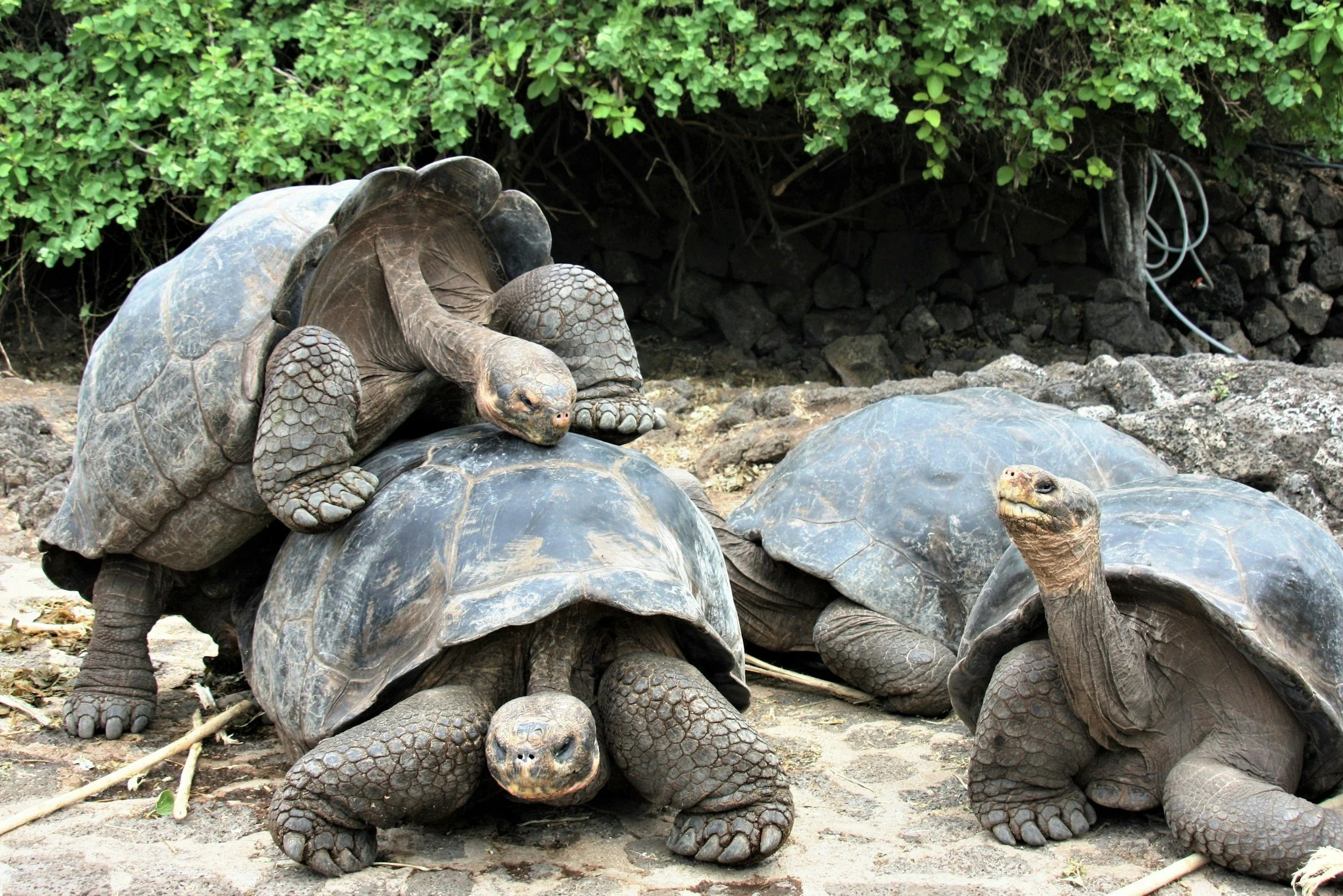
Explore famous Galápagos wildlife such as giant tortoises, marine iguanas, blue-footed boobies and finches. Find out why these animals are so special and how they adapted to their environment.
🧠 Charles Darwin and Evolution
Discover how Charles Darwin visited the Galápagos Islands and how his observations helped him develop ideas about adaptation and evolution (age-appropriate and simplified for the different key stages).
🌱 Habitats and Food Chains
Learn about different habitats on the islands and how animals depend on each other for food and survival.
🚢 Humans and the Environment
Find out how people use the islands today, the impact of tourism, and why conservation is important to protect wildlife.
Curriculum Links
This topic supports key Geography and Science objectives:
Geography
✔ Name and locate continents and oceans
✔ Understand physical geography including volcanoes and islands
✔ Study a place outside the UK
✔ Use maps, globes and aerial images
Science
✔ Living things and their habitats
✔ Adaptation and survival
✔ Simple food chains
Cross-Curricular Links
English – non-fiction reports and persuasive writing
Science – habitats and classification
Art – animal sketches and landscapes
For all booking enquiries and for any further information then please get in touch below.
-
This workshop will last approximately 45 minutes.
-
Students will have their own individual headset in order to maximise the immersive experience.
-
This workshop is suitable and can be adapted for KS1, KS2 and KS3 students.