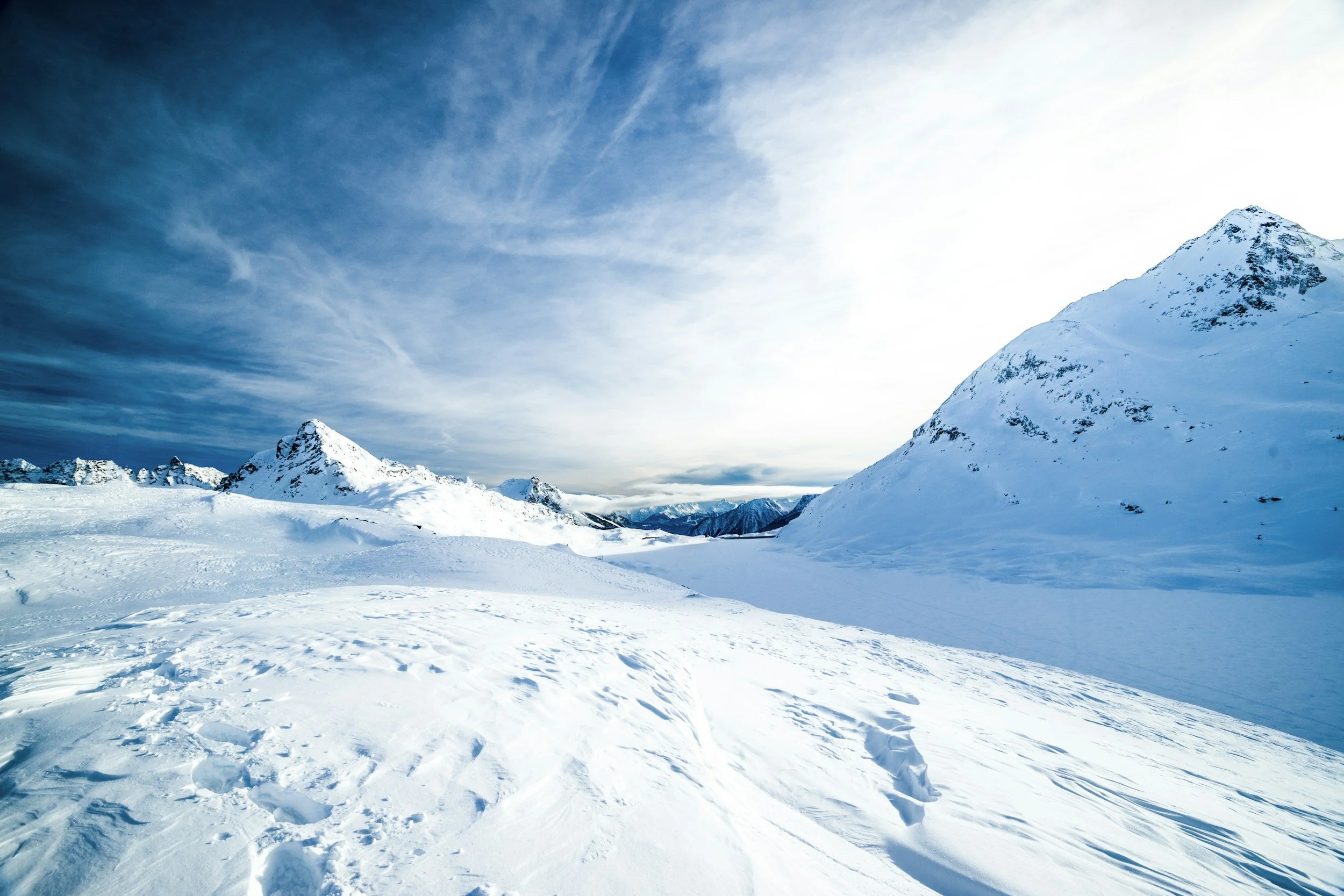
The Polar Regions
Learning Outcomes
By the end of this topic, learners should be able to:
✔ Locate the Arctic and Antarctica on a map
✔ Describe the climate and weather of the Polar Regions
✔ Identify animals that live in extreme cold and explain their adaptations
✔ Explain how ice and glaciers shape the landscape
✔ Discuss human impact and why conservation is important
Discover the Polar Regions
The Polar Regions are the coldest places on Earth. They include the Arctic in the north and Antarctica in the south. Despite their harsh conditions, these areas are home to fascinating animals, unique landscapes, and important ecosystems.
This topic helps pupils explore the Polar Regions, understand the challenges of life there, and learn why these areas are important to the planet.
What Will You Learn?
🌍 Where Are the Polar Regions?
Locate the Arctic and Antarctica on a world map. Learn about their extreme climate and why these regions are covered in ice for most of the year.
❄️ Extreme Climate and Weather
Discover how temperatures, wind, and ice affect life in the Polar Regions. Find out what adaptations humans, animals, and plants need to survive.
🐧 Animals of the Polar Regions
Meet amazing animals such as penguins, polar bears, seals, whales, and Arctic foxes. Learn how each species has adapted to the freezing temperatures.
🧊 Ice, Glaciers and Landscapes
Explore glaciers, icebergs, tundra, and permafrost. Understand how ice shapes the land and why it is constantly moving and changing.
🧪 Scientific Exploration
Find out how scientists study the Polar Regions today. Learn about research stations, climate studies, and how scientists monitor wildlife and ecosystems.
🌱 Human Impact and Conservation
Discover how pollution, climate change, and tourism affect the Polar Regions. Learn why protecting these fragile environments is vital.
Curriculum Links
This topic supports KS1, KS2 & KS3 Geography and Science objectives:
Geography
✔ Name and locate the world’s continents and oceans
✔ Study the physical features of cold environments
✔ Use maps, globes, and satellite images
✔ Compare climates in different regions of the world
Science
✔ Living things and their habitats
✔ Adaptation and survival in extreme environments
✔ Effects of changing environments on animals and humans
Cross-Curricular Links
English – report writing, descriptive writing, non-fiction research
Art – landscapes, ice patterns, and animal sketches
Maths – measuring ice thickness, temperatures, and distances
For all booking enquiries and for any further information then please get in touch below.
-
This workshop will last approximately 45 minutes.
-
Students will have their own individual headset in order to maximise the immersive experience.
-
This workshop is suitable and can be adapted for KS1, KS2 and KS3 students.